
Military basic training is designed to turn civilians into service members who understand military discipline, teamwork, physical readiness, and the responsibilities of serving their country.
If you have decided to join the military, don't let exaggerated boot camp stories discourage you. Training will challenge you, but thousands of recruits successfully complete it. Preparation, determination, and a willingness to learn can make the experience easier to manage.
What to Expect at Military Basic Training
Basic training is not a Hollywood movie. You will face early mornings, demanding schedules, physical training, inspections, classroom instruction, and plenty of attention to detail.
Depending on your branch, training may include weapons familiarization, military customs, drill and ceremony, field exercises, first aid, and other essential skills.
The specific training program, length, and requirements differ among the Army, Marine Corps, Navy, Air Force, Space Force, and Coast Guard. Some services also use different names for their initial training programs.
You will be expected to follow instructions, maintain your equipment, meet established standards, and work with people from many different backgrounds.
Drill Sergeants and Drill Instructors
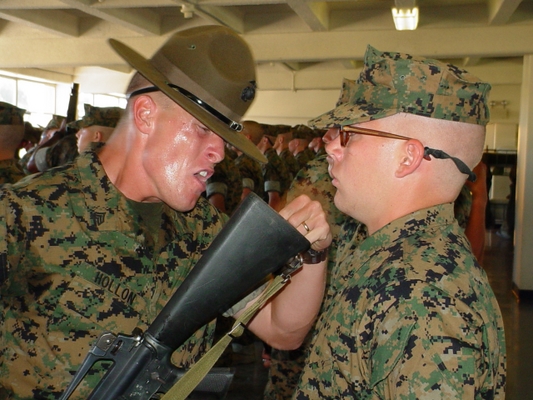
Drill sergeants, drill instructors, and recruit training instructors have a demanding job: teaching recruits to operate within military standards and preparing them for the responsibilities ahead.
They may use loud, direct commands and demanding training methods to develop discipline, attention to detail, and the ability to respond under pressure.
Rather than taking every correction personally, focus on understanding the instruction and making the necessary adjustment.
You will make mistakes. Everyone does. What matters is how quickly you learn from them and improve.
Learning to Work as a Team
One of the biggest adjustments for new recruits is learning that success depends on the group, not just the individual.
Something as simple as moving in formation, keeping equipment organized, or responding to commands requires cooperation and attention.
At first, your group may struggle with basic tasks. Over time, as everyone learns the expectations, routines that once seemed difficult become familiar.
Help your fellow recruits when you can, accept constructive correction, and avoid unnecessary arguments. You will spend a great deal of time working together.
Physical and Mental Preparation
Arriving physically prepared can make your transition into military training much easier.
Before reporting, learn the current fitness requirements for your branch and follow a sensible training program appropriate for your abilities.
- Cardiovascular fitness: Build endurance through walking, running, or other suitable activities.
- Strength: Practice exercises relevant to your service's fitness standards.
- Recovery: Get adequate sleep and allow time for your body to recover.
- Nutrition and hydration: Develop consistent habits that support physical activity.
- Attention to detail: Practice following instructions and keeping your belongings organized.
- Mindset: Expect challenges, accept feedback, and focus on improving every day.
You do not need to arrive knowing everything. You are going to training to learn. Being willing to listen, adapt, and work hard is important.
For additional preparation, read our Military Physical Fitness and Health resource and 10 Steps to Basic Training Success.
Stress, Discipline, and Handling Problems
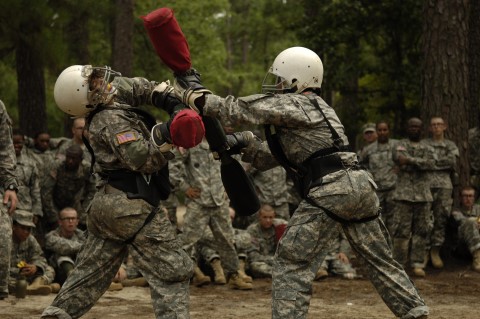
Military training can be stressful. You may experience fatigue, frustration, homesickness, and moments when you question your decision.
These feelings do not necessarily mean you are failing. Learning to manage challenges and ask appropriate questions is part of adapting to an unfamiliar environment.
However, demanding training does not justify hazing, bullying, assault, or other prohibited misconduct.
If you experience or witness serious mistreatment, follow your service's reporting procedures or seek assistance through the appropriate chain of command, medical personnel, chaplain, or designated reporting office. Available reporting options depend on the situation and service.
Do not assume every negative experience is a normal or acceptable part of military training.
What Happens After Basic Training?
Completing basic training is an important milestone, but it is only the beginning of your military career.
Many service members continue to specialized training for their assigned occupation. Depending on the branch and career field, this may involve technical schools, additional military instruction, or other qualification requirements.
After completing the necessary training, you may receive an assignment to an operational unit or duty station.
Daily military life varies considerably. Some positions follow predictable schedules, while others involve shift work, field exercises, deployments, irregular hours, or extended periods away from home.
Military members may earn paid leave and other benefits, but time off is subject to service rules, duty requirements, and approval. Do not assume every assignment includes regular weekends or holidays.
What Should You Bring to Basic Training?
Bring only the items authorized by your recruiting command or training installation.
Packing lists differ by branch and location. Items that seem useful, including certain tools or personal equipment, may be prohibited or unnecessary.
Ask your recruiter for the current official packing list before buying supplies.
Final Advice: Be Ready to Adapt
Basic training is intended to challenge you and help you develop the habits required for military service.
Listen carefully, take responsibility for your actions, help your teammates, and keep working when things become difficult.
You will not be perfect on your first day. Nobody expects you to know everything before you arrive. What matters is your willingness to learn and improve.
Prepare yourself, keep a positive attitude, and take training one day at a time.
If you are still exploring military service, visit our Recruiters, ASVAB Study Guide, and Guides & Resources pages.
Originally published September 2013. Updated October 2026. Training requirements, policies, and procedures vary by service and may change. Always follow current official instructions.